Making brain health measurable

    Every year, millions of brain scans are read by eye. We are building the AI infrastructure to read them by measurement.

    The problem we couldn't walk away from

    Neuroimaging interpretation today is fundamentally subjective. Two radiologists reading the same scan may reach different conclusions. Subtle structural changes such as early hippocampal atrophy, mild cortical thinning, and volume loss below the threshold of visual detection are routinely missed. Not from negligence, but from the limits of the human eye.

    The human cost of this is enormous. Patients with Alzheimer's disease are typically diagnosed years after meaningful neurodegeneration has already occurred. By the time clinical symptoms are undeniable, the window for early intervention has often closed. The same pattern holds for MS, TBI, and other neurological conditions.

    The tools to fix this exist in research. Quantitative volumetric MRI analysis has been established in academic literature for over a decade. But these tools have never been productized for clinical use. They remain trapped in research pipelines, inaccessible to the radiologists who need them most.

    We believe every brain scan should produce a measurement, not just an opinion. Cerebramha is building the infrastructure to make that the standard of care.

    "Every brain scan should produce a measurement, not just an opinion."

    Cerebramha, our founding principle

    How we think about building

    01

    Measurement over opinion

    We produce volumetric numbers, not interpretations. Clinicians need to know where and how much, not just a probability score.

    02

    Clinical-first design

    Every output is designed for the radiologist's workflow: standard report formats, normative comparisons, PACS-compatible outputs.

    03

    Platform, not a point solution

    Alzheimer's is our first product. The same infrastructure powers detection across neurodegenerative conditions, trauma, and aging.

    Meet the people behind the work.

    A small, senior team. The people who scope the work are the same people who build it, and the same people who stay on after launch.

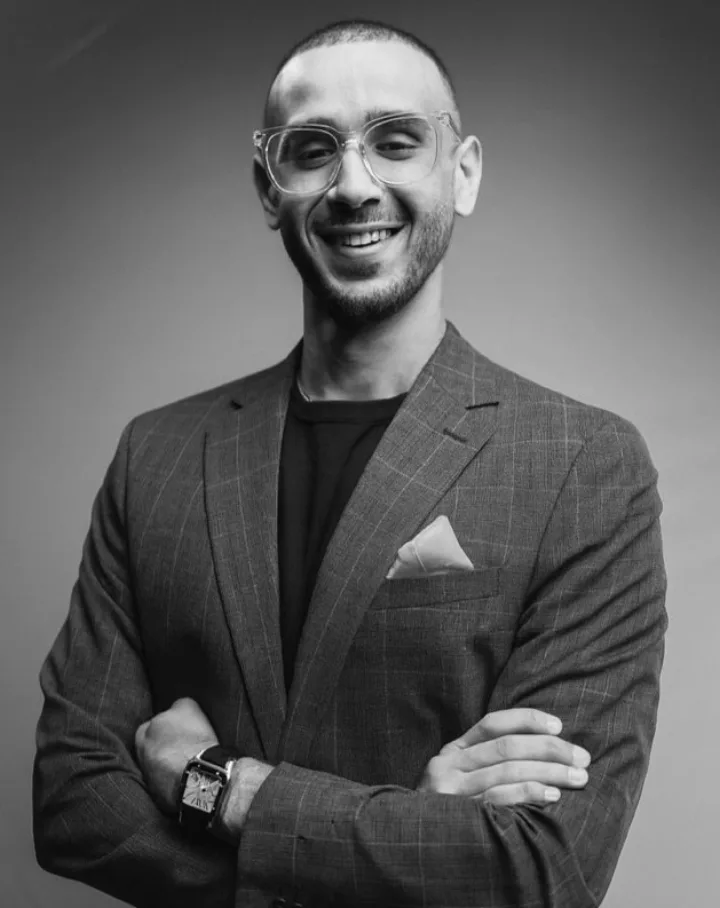
    Nour M, Co-founder, Chief Operations Officer at CerebramhaOperations

    Nour MMBA, BSc, DIBA

    Co-founder, Chief Operations Officer

    Nour has built his career at the intersection of artificial intelligence and business development, working with startups and growing organisations across multiple industries to design the systems that allow them to scale with confidence. A career shaped across five countries gives him a perspective that is difficult to manufacture. As COO he brings it all to one mandate: build legacies that last.

    LinkedIn
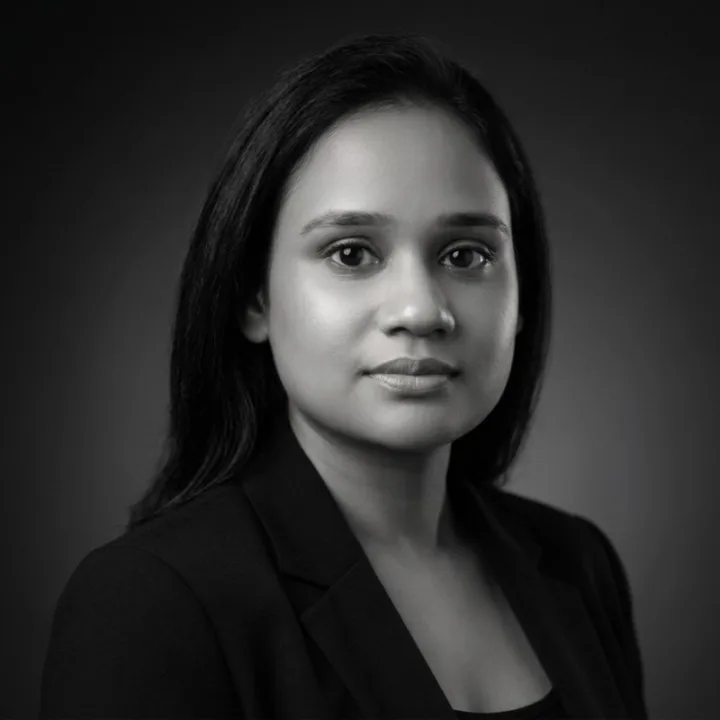
    Nandini Goyal, Co-founder at CerebramhaMachine Learning

    Nandini Goyal

    Co-founder

    Builds the machine learning and deep learning models behind Cerebramha: the segmentation and classification networks that turn a brain MRI into regional measurements, and the training and validation work that decides whether a model is good enough to ship.

    LinkedIn
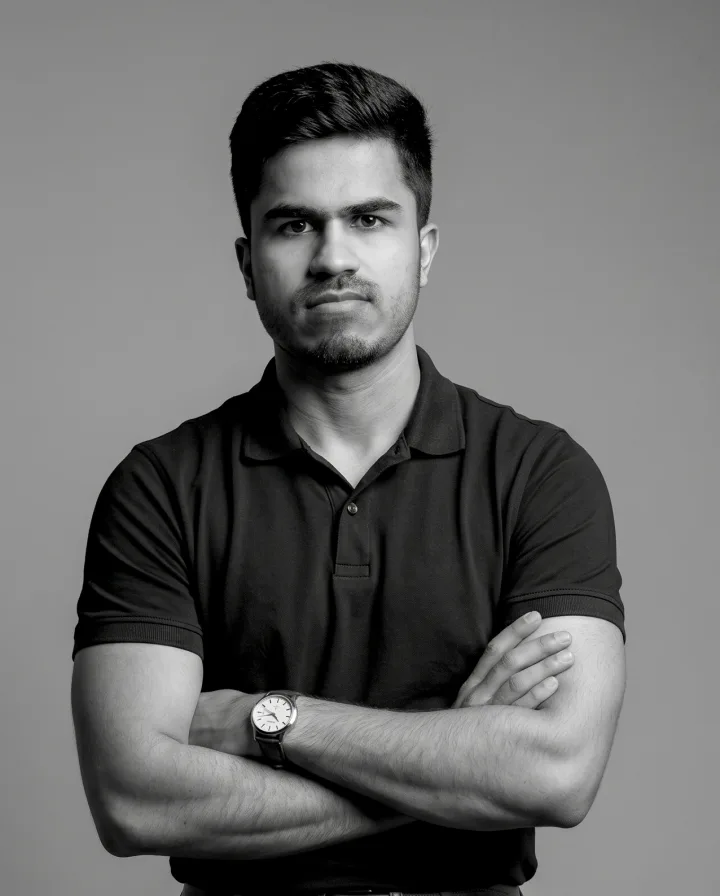
    Tushar Shandilya, Data & AI at CerebramhaData & AI

    Tushar Shandilya

    Data & AI

    Builds the engineering around the models: medical image preprocessing, the data pipelines the models train on, and the clinical reporting layer that turns their output into a report a clinician can read. A data and AI engineer who ships production systems, not prototypes, with prior experience at Celebal Technologies.

    LinkedIn

    From idea to clinical validation

    Early 2025

    Founded

    Cerebramha formed around a shared conviction: brain scans should produce measurements, not just opinions.

    2025

    AI Research & Development

    Deep technical work underway. Building the AI infrastructure to produce accurate, clinician-ready brain measurements.

    Now

    One Platform Live, One in Development

    Cedawn, the Alzheimer's platform, is live at cedawn.cerebramha.com. Brain Tumour Segmentation is in development. Neither is cleared for diagnostic use.

    Build the future of clinical AI
    with Cerebramha.